
What basedzilla infrastructure means
Basedzilla infrastructure refers to the specialized tooling and strategic approach for scaling operations on the Base L2 network. Unlike general crypto trading, which focuses on price action, this concept centers on the underlying data and scaling metrics that keep the network running efficiently.
Think of it like the plumbing in a building. The walls and electrical work don't draw the crowd, but without them, nothing functions. Similarly, Basedzilla infrastructure provides the fundamental systems that support every function of your Base-based operations. It is not about speculation; it is about ensuring the data-driven view of Web3 scaling remains robust and reliable.
To build this strategy, you must distinguish between general IT infrastructure and the specific requirements of the Base ecosystem. This involves assessing current needs, planning for redundancy, and automating management tasks to handle the unique throughput of the L2 network. The goal is to create a resilient foundation that can handle growth without compromising performance.
Core tools for your stack
You can’t scale operations on Base without the right software and hardware foundation. Think of your infrastructure like the plumbing in a building: the pipes and wires aren’t the reason people visit, but without them, nothing works. To build a Basedzilla strategy that holds up in 2026, you need tools that monitor, secure, and automate your L2 activities.
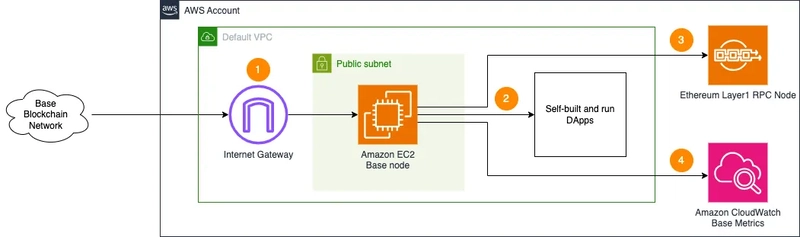
Start with reliable node access. You’ll need a dedicated RPC endpoint to handle transaction volume without latency. Tools like Alchemy or Infura provide the stability required for high-frequency trading or NFT mints. Pair this with a hardware wallet for key management—never store large balances on exchange hot wallets. A Ledger or Trezor keeps your private keys offline, adding a critical layer of security against digital theft.
For monitoring, use block explorers and analytics dashboards. BaseScan is the primary explorer for the network, but it’s often too slow for real-time decisions. Integrate with tools like Debank or Zapper to track portfolio performance across DeFi protocols. These platforms aggregate your data, giving you a single view of your on-chain footprint.
Essential hardware and software
The right gear separates amateurs from professionals. Here are the core items you need to get started.

As an Amazon Associate, we may earn from qualifying purchases.
Automation and security
Manual tracking doesn’t scale. Use automation tools to execute trades and rebalance portfolios based on predefined rules. Tools like 1inch or Paraswap offer API access for seamless execution. For security, enable multi-signature wallets for any shared treasury or DAO funds. This ensures no single point of failure can drain your assets.
By focusing on these core components, you build a resilient foundation. This setup allows you to react quickly to market changes while keeping your assets secure. Remember, infrastructure is an investment in your strategy’s longevity.
Setting up your dashboard
A dashboard is only as useful as the metrics it displays. For a Basedzilla infrastructure strategy, you need to move past price speculation and focus on the data that reveals network health. This means configuring your view to track scaling metrics, transaction throughput, and node stability in real time.
Think of your dashboard as the control room for your infrastructure. If you can’t see the plumbing, you can’t fix the leaks. We will walk through the specific steps to configure a view that highlights the operational reality of the Base network.
Once your dashboard is live, you can observe the network’s pulse without getting lost in the noise. This setup gives you a clear, data-driven view of what is actually happening on the chain.
Read the Right Metrics
Most teams look at price charts to judge network health. That’s like checking the speedometer to see if the engine is overheating. For a Basedzilla infrastructure strategy, you need to look at the plumbing, not the water pressure.
Focus on scaling efficiency. This means tracking how much work the layer 2 handles relative to the cost of doing it. If transaction volume goes up but fees don’t drop proportionally, your scaling is failing. You are paying for congestion, not growth.
Use the official Basedzilla infrastructure analysis tools to pull real-time data. Ignore speculative sentiment. Stick to the hard numbers: gas costs, block space utilization, and finality times. These metrics tell you if your infrastructure is actually supporting your users or just burning capital.
Common Analysis Mistakes
When you start mapping out a Basedzilla infrastructure strategy, it is easy to get distracted by flashy metrics. The goal is to build a system that actually works, not one that looks good on a dashboard. Most errors come from misinterpreting what the data is telling you.
The biggest pitfall is ignoring latency. Throughput tells you how much data can move, but latency tells you how fast it moves. If you are building for real-time interactions, a high throughput number means nothing if the user waits five seconds for a response. Always prioritize low-latency paths over raw bandwidth capacity.
Another common trap is misinterpreting throughput in isolation. A system might handle 10,000 transactions per second under ideal conditions, but fail at 1,000 when the network is congested. You need to test under realistic load, not just in a vacuum. Basedzilla’s approach focuses on these real-world constraints rather than theoretical maximums Basedzilla Guide.
Finally, avoid looking at static snapshots. Infrastructure is dynamic. A metric that looks healthy today might break tomorrow if traffic patterns shift. Monitor trends over time, not just point-in-time values. This helps you spot degradation before it becomes a failure.
Frequently asked questions about Basedzilla infrastructure
These questions address the core mechanics of building and scaling infrastructure on the Base L2 network, focusing on data-driven metrics rather than price speculation.
No comments yet. Be the first to share your thoughts!