Set up your Basedzilla dashboard
Before you can monitor the health of Layer 2 networks or track gas fee spikes, you need a configured workspace. Basedzilla acts as the central nervous system for crypto infrastructure data, but it requires a few initial steps to filter the noise and highlight the signals that matter to your strategy.


With your dashboard live, you can begin to contextualize the data with broader market trends. The following chart illustrates the volatility and volume shifts you will be monitoring.
Taking the time to configure these settings correctly ensures that your future analysis is built on a reliable foundation, rather than reactive guesswork.
Track live chain metrics and fees
To assess the health of a Layer 2 network like Base, you need to look beyond the hype and focus on the raw data streams that define user experience. Network health isn't a feeling; it's a combination of throughput, latency, and cost. When these three metrics align, the infrastructure is performing as intended. When they diverge, congestion is likely setting in.
Throughput measures how many transactions the network can process per second (TPS). High TPS indicates robust capacity, but it means little if the transactions are failing or stalling. Latency, or finality time, tracks how long it takes for a transaction to be considered irreversible. For most users, this is the difference between a smooth checkout and a frozen screen. Finally, transaction fees determine accessibility. If fees spike during high demand, the network is effectively excluding smaller users.
The table below compares real-time infrastructure metrics for major Ethereum Layer 2 networks. Use this data to benchmark performance against your expectations. Note that these figures are dynamic and can fluctuate based on network activity.
| Network | Peak TPS | Avg Finality | Avg Fee (USD) |
|---|---|---|---|
| Base | ~4,000 | < 2s | < $0.01 |
| Arbitrum One | ~40,000 | ~10-15s | $0.05-$0.20 |
| Optimism | ~4,000 | ~10-15s | $0.10-$0.30 |
| Polygon PoS | ~7,000 | ~2-3s | $0.01-$0.05 |
Monitoring these metrics requires reliable tools. You can track live data through official block explorers or third-party analytics dashboards that aggregate L2 data. Look for platforms that provide historical context, not just real-time snapshots, to identify trends rather than temporary spikes. Consistent low fees and fast finality are the hallmarks of a healthy, scalable infrastructure.
For those actively trading or building on these networks, keeping an eye on the underlying asset price can also provide context. Market volatility often correlates with increased network activity, which can temporarily impact fees.
Understanding these metrics helps you decide when to transact. During periods of high latency or elevated fees, you might wait for network congestion to ease. Conversely, low fees and high throughput suggest the network is ready for high-volume activity. Always verify current conditions through live sources before executing large transactions.
Analyze validator and node health
Tracking the pulse of the network requires looking past price action to the underlying infrastructure. Validator performance and node synchronization are the primary indicators of decentralized security. When nodes fall out of sync, the network’s ability to process transactions and maintain consensus degrades, exposing the system to latency issues or, in extreme cases, forks.
A healthy validator set ensures that blocks are produced on time and that the state is replicated correctly across the network. This is not just about uptime; it is about data availability and integrity. If a significant portion of validators are lagging or producing invalid blocks, the reliability of the entire Basedzilla infrastructure becomes questionable. For users relying on this data, these metrics are the difference between a seamless experience and a broken pipeline.
Monitoring these metrics helps identify early warning signs of network stress. Sudden drops in validator participation or increased synchronization times often precede larger structural issues. By keeping a close eye on these technical indicators, you can assess the true health of the network independent of market sentiment.
Spot anomalies and security risks
Infrastructure stress rarely announces itself with a single error. It shows up as subtle deviations in block times, gas price spikes, or unusual transaction volumes. The Basedzilla guide teaches you to read these signals before they become crises. By tracking real-time data, you can distinguish between normal network congestion and signs of a coordinated attack or protocol bug.
Look for irregularities in the time between finalized blocks. Consistent delays often indicate network congestion, while sudden gaps can signal validator issues or a pending attack. Use the Basedzilla dashboard to visualize these intervals against historical averages.
Sudden spikes in gas prices often precede market volatility or exploit attempts. Compare current gas levels with the 24-hour and 7-day moving averages. If gas prices rise without a corresponding increase in transaction volume, it may indicate a bot-driven attack or a flash loan event.

Unusual spikes in transaction count, particularly from a few addresses, can signal whale activity or a smart contract exploit. Use the Basedzilla guide to filter transactions by contract interaction. Look for repeated calls to the same contract or unusual token transfers that don't match typical DeFi protocols.

Infrastructure stress often correlates with price movements. Use the PriceWidget to see if network anomalies align with significant price drops or spikes. This correlation helps confirm whether the issue is technical or driven by market sentiment.
By following these steps, you can identify potential security risks early. The Basedzilla guide provides the tools to make sense of the noise, allowing you to act before minor anomalies become major incidents. Always verify findings with official source data to ensure accuracy.
Finalize your monitoring checklist
Tracking crypto infrastructure isn't a one-time audit; it's an ongoing discipline. To keep your research accurate and your risk low, you need a routine that separates signal from noise. This checklist distills the essential Basedzilla methodology into a repeatable workflow.
Start by verifying the data source. Always cross-reference on-chain metrics with official node outputs or primary exchange APIs. If a dashboard shows a spike in activity, check the underlying block explorer for confirmation before drawing conclusions. This step prevents you from reacting to ghost data or temporary glitches.
Next, monitor for structural changes. Look for new validator registrations, protocol upgrades, or shifts in staking ratios. These are the quiet indicators that often precede major market moves. Set alerts for these specific events rather than generic price targets.
Finally, document your findings. A simple log of what you tracked, why it mattered, and the outcome builds your personal research database. Over time, this log reveals patterns that raw data alone cannot show.
Your Basedzilla Monitoring Routine
-
Verify on-chain data against primary source nodes.
-
Check for protocol upgrades or validator changes.
-
Log insights in a structured research journal.
-
Review monthly to identify recurring infrastructure trends.
Helpful gear
Use these product recommendations as a starting point, then choose the size, material, and price point that fit how you actually use the gear.


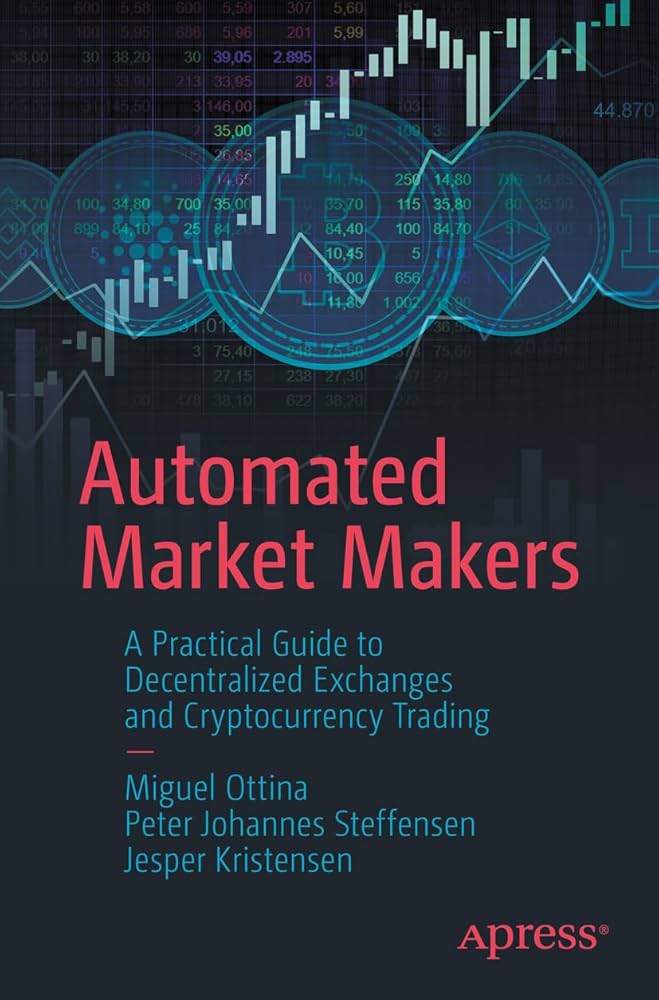
As an Amazon Associate, we may earn from qualifying purchases.
No comments yet. Be the first to share your thoughts!