Basedzilla budget fit: price, age, and condition choices that change the plan
When evaluating infrastructure tools for institutional Web3 market research, the initial purchase price is only one part of the total cost of ownership. The condition of the hardware or software environment—whether it is new, refurbished, or legacy—directly impacts performance stability and security compliance. Institutional buyers must weigh the depreciation rates of aging nodes against the premium of cutting-edge, unused equipment.
New infrastructure offers the longest warranty periods and the latest security patches, reducing the risk of unexpected downtime during critical market windows. However, this comes at a higher upfront cost. Refurbished or certified pre-owned options can significantly lower capital expenditure, but they require rigorous auditing to ensure they meet institutional-grade reliability standards. The "age" of the component often dictates its remaining useful life, which must be factored into long-term ROI calculations.
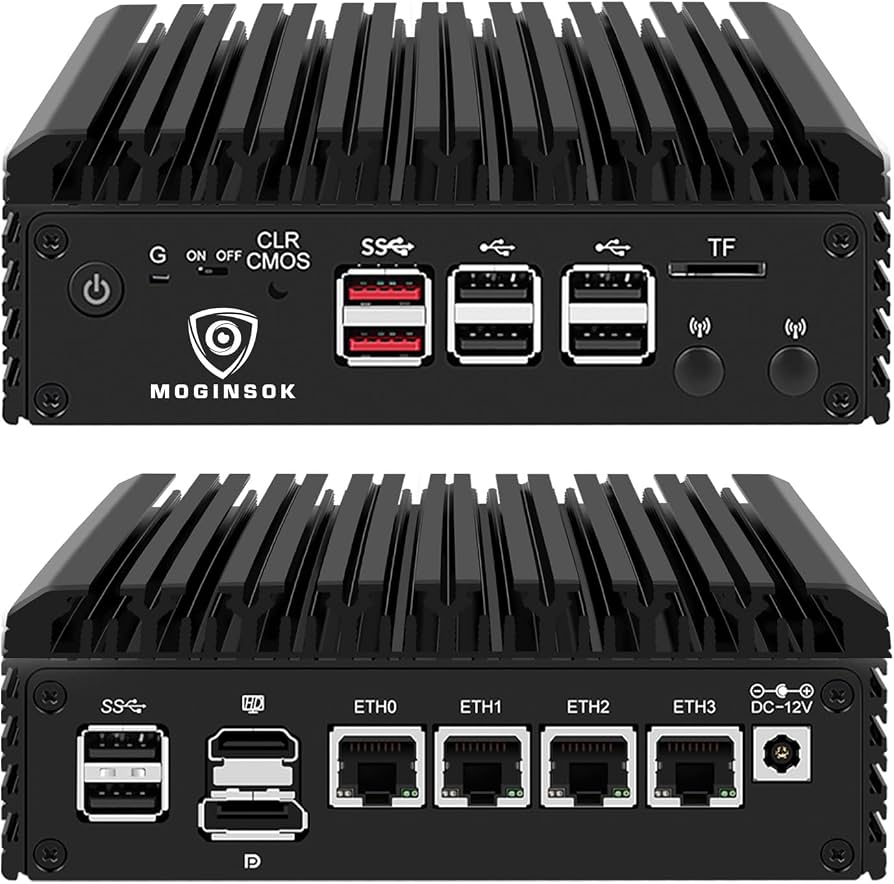
To balance these factors, we recommend starting with a core set of essential tools that offer the best value for their current market condition. The following Amazon product grid highlights specific hardware and software solutions that fit various budget tiers, allowing you to scale your infrastructure based on actual performance data rather than speculative projections.

As an Amazon Associate, we may earn from qualifying purchases.
Shortlist real options
Finding the right infrastructure tools for institutional Web3 research requires looking past marketing claims to actual data integrity. Basedzilla’s guides emphasize that reliable market research depends on monitoring real-time L2 metrics, not just aggregated price action. When selecting tools, you need solutions that offer transparency into node health, transaction throughput, and fee structures.
The following comparison table outlines the primary categories of infrastructure tools recommended for serious research workflows. These categories reflect the core needs identified in institutional-grade monitoring guides: latency, data accuracy, and historical depth. Each tool type serves a distinct role in the research stack, from initial signal detection to deep-dive forensic analysis.
For teams building proprietary research models, direct node access via providers like Alchemy or Infura offers the highest fidelity. However, for broader market sentiment analysis, aggregated dashboards provide a faster overview of L2 activity. The choice often depends on whether your research prioritizes granular on-chain data or high-level market trends.
Inspect the expensive failure points
When evaluating L2 infrastructure, most audits fail because they ignore the cost of data availability and sequencer redundancy. These are the expensive failure points that can drain a protocol's treasury or halt operations during high volatility. Use this checklist to inspect the components that matter most before committing resources.


As an Amazon Associate, we may earn from qualifying purchases.
The goal is to identify risks before they become crises. By focusing on these expensive failure points, you can build a more resilient infrastructure strategy.
Plan for ownership costs
The sticker price of an infrastructure tool is rarely the final cost. For institutional Web3 research, the real expense comes from maintenance, integration complexity, and the hidden hours spent keeping data pipelines alive. A cheap license can become expensive if it requires custom engineering to fit your existing stack.
Consider the difference between a self-hosted open-source solution and a managed SaaS platform. The open-source route may have zero subscription fees, but it demands DevOps resources for security patches, scaling, and uptime. The managed option charges a premium but includes support and automatic updates. You must calculate the fully loaded cost of ownership, including staff time and cloud infrastructure fees, not just the software license.
When a cheap buy stops being cheap
A low-cost tool stops being a bargain when it creates data silos or requires manual intervention. If your team spends more time cleaning messy API outputs than analyzing the data, the tool has failed its primary purpose. Look for tools that offer native integrations with your existing data warehouse or BI platform. This reduces the need for custom connectors and minimizes long-term technical debt.
Essential infrastructure tools
Choosing the right infrastructure involves balancing upfront costs with long-term operational efficiency. Below are three categories of tools that form the backbone of institutional Web3 research, selected for their reliability and integration capabilities.


As an Amazon Associate, we may earn from qualifying purchases.
No comments yet. Be the first to share your thoughts!